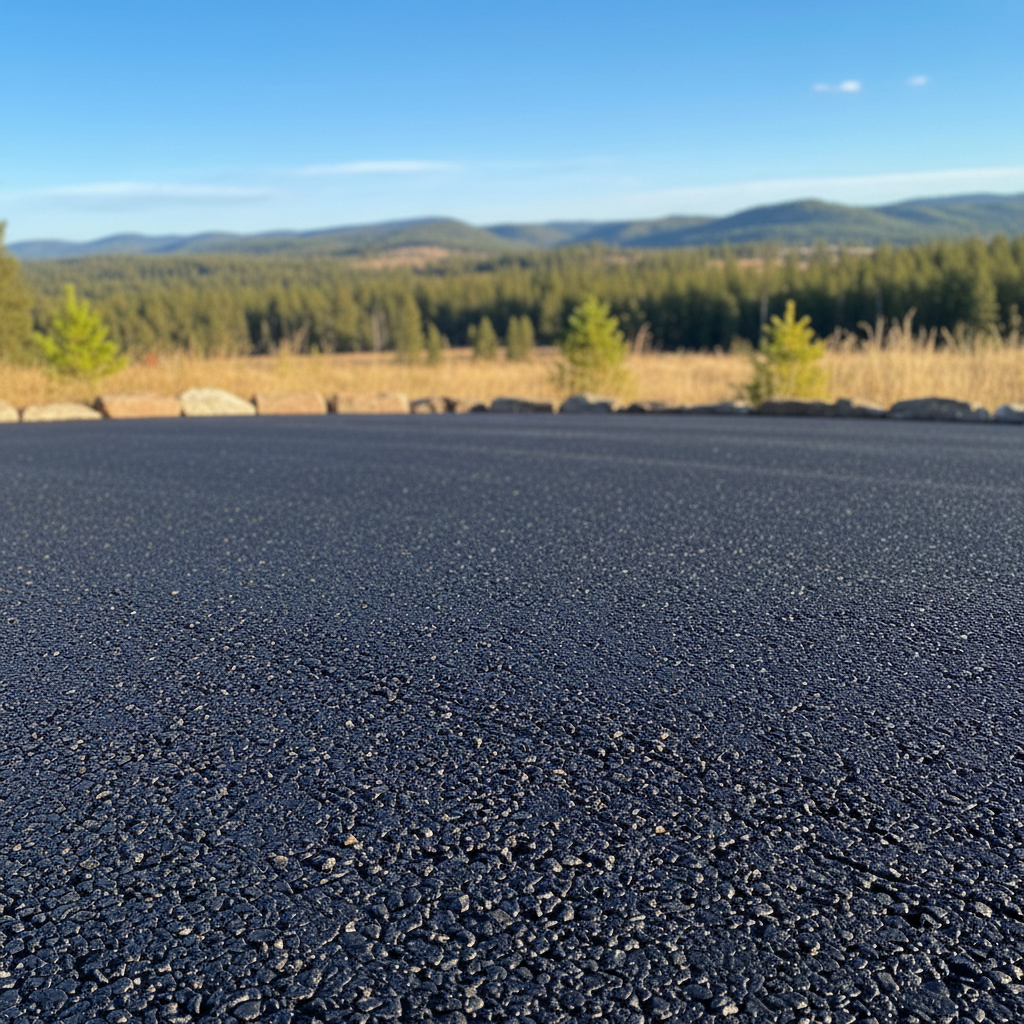
Alright, let's talk about that asphalt driveway of yours. You've probably looked at it and wondered, "Can I fix that crack myself?" or "When's the right time to get this thing redone?" It's a common question, and as someone who's been laying asphalt around Kalispell for years, I've got some insights that might help you out. There's a lot you can do to keep your driveway in good shape, but there are definitely times when you need to call in the cavalry.
Before You Start: Planning Your Asphalt Project
First things first, what's the goal? Are we talking about a small patch job, or is your driveway looking like a topographical map of the Bob Marshall Wilderness? Get a good look at it. Walk around, really inspect it. Small cracks, especially those thin ones that look like spiderwebs, usually signal surface wear. Bigger cracks, potholes, or areas where the asphalt is crumbling and sinking? That's a different beast entirely.
If you're thinking about a brand new driveway or a major overhaul, you need to consider drainage. Kalispell gets its fair share of snow and rain, and water is asphalt's worst enemy. You don't want puddles sitting on your driveway, especially not in the spring when the ground is thawing and freezing. A good contractor will always factor in the grade and how water will run off. You might think about where your downspouts are, too. Directing that water right onto your new asphalt is just asking for trouble, isn't it?
What You Can Do Yourself (DIY)
There are definitely some things a homeowner can handle. You don't need a crew and heavy machinery for every little issue. Here's where you can roll up your sleeves:
- Cleaning: Keeping your driveway clean is huge. Sweep off leaves, dirt, and gravel regularly. Pressure washing can be good, but don't get too aggressive with it, especially on older asphalt. You're trying to clean it, not strip it.
- Small Crack Filling: Those thin, hairline cracks? You can buy asphalt crack filler at most hardware stores. Clean out the crack thoroughly – a wire brush works great – then apply the filler according to the directions. It's not a permanent fix, but it'll stop water from getting in and making things worse, especially before winter sets in.
- Oil Stain Removal: Got an oil drip? Kitty litter is your friend. Pour it on, let it absorb, then sweep it up. For tougher stains, there are specific degreasers made for asphalt. Just make sure to rinse thoroughly.
- Edging Maintenance: Keep grass and weeds from growing into the edges of your driveway. Those roots can cause real damage over time. A weed trimmer or a good old-fashioned shovel can do the trick.
When to Call a Professional
Alright, now for the stuff where you really want to bring in someone who does this for a living. This is where Coastal Asphalt Solutions comes in handy, if I do say so myself. Trying to DIY these bigger jobs often ends up costing more in the long run.
- Extensive Cracking or Potholes: If you've got cracks wider than half an inch, or if the asphalt is starting to crumble into potholes, you're beyond a simple tube of crack filler. These often indicate issues with the base layer, and that's not something you can just patch over effectively. You need proper excavation, base repair, and then new asphalt.
- Major Resurfacing: Is your driveway faded, rough, and showing widespread wear? A full resurface might be needed. This involves cleaning, repairing the existing surface, and then laying a new layer of asphalt over the top. It's a precise job that requires specialized equipment to get a smooth, durable finish.
- New Driveway Installation: This is definitely a pro job. From grading the land, ensuring proper drainage (especially important if you're building on some of that clay-heavy soil we see around the Flathead Valley), laying the gravel base, compacting it, and then applying the asphalt layers – it's a multi-step process that needs expertise to last.
- Drainage Issues: If water is consistently pooling on your driveway, or if it's running towards your house, you need a professional to assess and fix the grading. Improper drainage can lead to foundation problems for your home, not just driveway damage.
After the Project: Keeping it Pristine
Whether you've done a small repair or had a whole new driveway installed, maintenance is key. For new asphalt, stay off it for a few days – usually 2-3 days for vehicles, sometimes longer in hot weather. It needs time to cure. Avoid turning your steering wheel while stationary on new asphalt; that's called power steering marks, and they'll leave scuffs. For any asphalt, new or old, try to avoid parking heavy RVs or trailers in the same spot for extended periods, especially in the summer heat. That weight combined with the heat can cause depressions.
Regular cleaning, as I mentioned, goes a long way. And keep an eye out for new cracks. Catching them when they're small makes them much easier to deal with. Your driveway is an investment, and with a little attention – knowing when to DIY and when to call Coastal Asphalt Solutions – it'll serve you well for years to come.