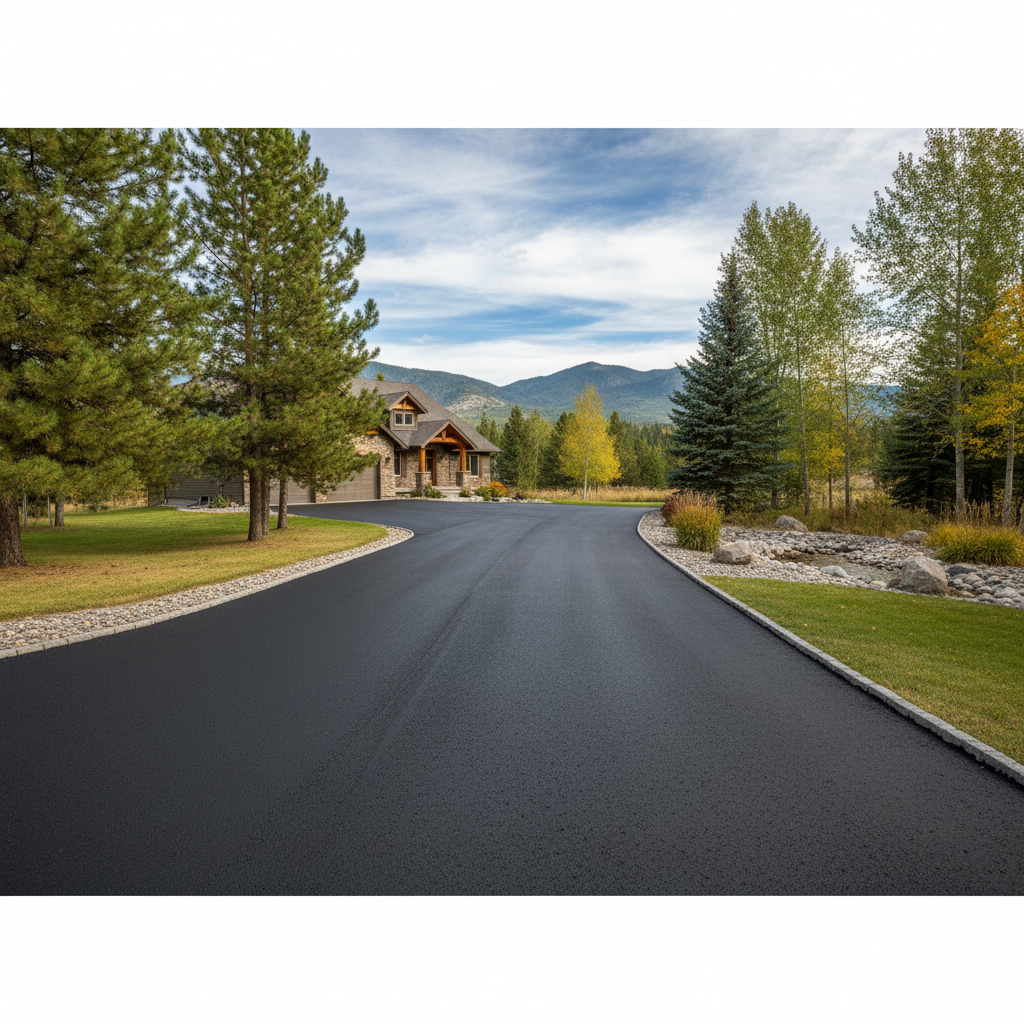
So, you've just had your driveway or parking lot slurry coated. Smart move, really. It's a great way to protect your asphalt and keep it looking sharp. But that's not quite the whole story. Just like anything else, a slurry coat needs a little care to truly last, especially with the kind of weather we get here in Kalispell.
Extending the Life of Your Slurry Coat
The single biggest thing you can do to squeeze more years out of your slurry coat starts right after we apply it. You absolutely have to give it time to cure properly. I know it's tempting to drive on it, but please, resist! Usually, you'll want to stay off it for at least 24-48 hours. Maybe even longer if it's been one of those cooler, cloudier spring days we often get. If you don't wait, you'll track the fresh material, and you'll end up with tire marks and uneven spots that just won't look right, will they?
Once it's cured, start thinking about what's going on top of it. Heavy vehicles, sharp turns, or dragging things across the surface will all wear it down faster. If you've got a delivery truck coming, maybe ask them to park on the street if that's an option. For residential driveways, try to avoid turning your steering wheel sharply while the vehicle is stationary. That's a real killer for the surface, trust me.
Another big one is keeping it clean. We get plenty of dirt, gravel, and pine needles around here, especially if you're up in the Somers or Lakeside area. All that debris acts like sandpaper when you drive over it. A quick sweep or a blow with a leaf blower every now and then makes a huge difference. You're not just making it look better; you're actually preventing abrasive wear.
Regular Maintenance: Simple Habits, Big Payoffs
Regular maintenance for a slurry coat isn't rocket science, but it does need to be consistent. First off, keep a close eye on oil and gas spills. These petroleum products are no friend to asphalt or slurry — they break down the binders. If you leave them, you'll soon see a soft spot or a stain that's practically impossible to get rid of. Clean them up immediately with an absorbent material like cat litter or sand, then scrub with a mild detergent and rinse thoroughly. Just don't use harsh chemicals; those can actually do more harm than good.
We get some serious freeze-thaw cycles here in the Flathead Valley. Water, as you know, is the enemy of any pavement. If you see small cracks starting to form, don't ignore them. Even hairline cracks can let water get under the slurry coat and into the asphalt base. When that water freezes, it expands, and suddenly those tiny cracks become big potholes. I always recommend addressing any new cracks with a good quality crack filler as soon as you spot them. It's way cheaper to fill a crack than to repair a pothole or re-slurry a whole section, right?
Think about drainage too. If you've got puddles sitting on your driveway for hours after a rain or snowmelt, that's a problem. Constant standing water will degrade the slurry coat and the asphalt underneath. Sometimes it's a simple fix, like clearing a clogged drain, other times it might mean regrading. But it's definitely worth looking into.
Warning Signs You Can't Ignore
You don't need to be an asphalt expert to spot trouble. Here are a few things to watch for:
- Fading Color: If your nice dark black slurry coat is starting to look gray and dull, it's losing its protective qualities. That's a sign it's getting worn thin and isn't blocking UV rays and water like it should.
- Aggregate Showing Through: Slurry coats are designed to cover the aggregate (the small stones) in your asphalt. If you're seeing those stones poking through, especially in high-traffic areas, the coat is eroding.
- Excessive Cracking or Alligatoring: We talked about small cracks, but if you're seeing a lot of new cracks, or a pattern that looks like alligator skin, that's a sign of deeper structural issues in the asphalt, and the slurry coat isn't holding up anymore.
- Potholes or Depressions: These mean water has gotten in and damaged the base. A slurry coat can't fix structural problems; it's a surface protectant, after all.
When to Call a Professional
Look, I'm all for DIY, but some jobs are just best left to the pros. If you're seeing any of those major warning signs – widespread fading, aggregate showing through in large areas, or significant cracking and potholes – it's time to call someone like us at Coastal Asphalt Solutions. We can assess the damage and recommend the right fix, whether it's a spot repair, another slurry coat, or something more extensive.
Don't wait until it's a disaster. A little proactive maintenance and knowing when to call for help will save you a ton of money in the long run. We're here to help keep your asphalt looking good and lasting for years, no matter what Montana throws at it.