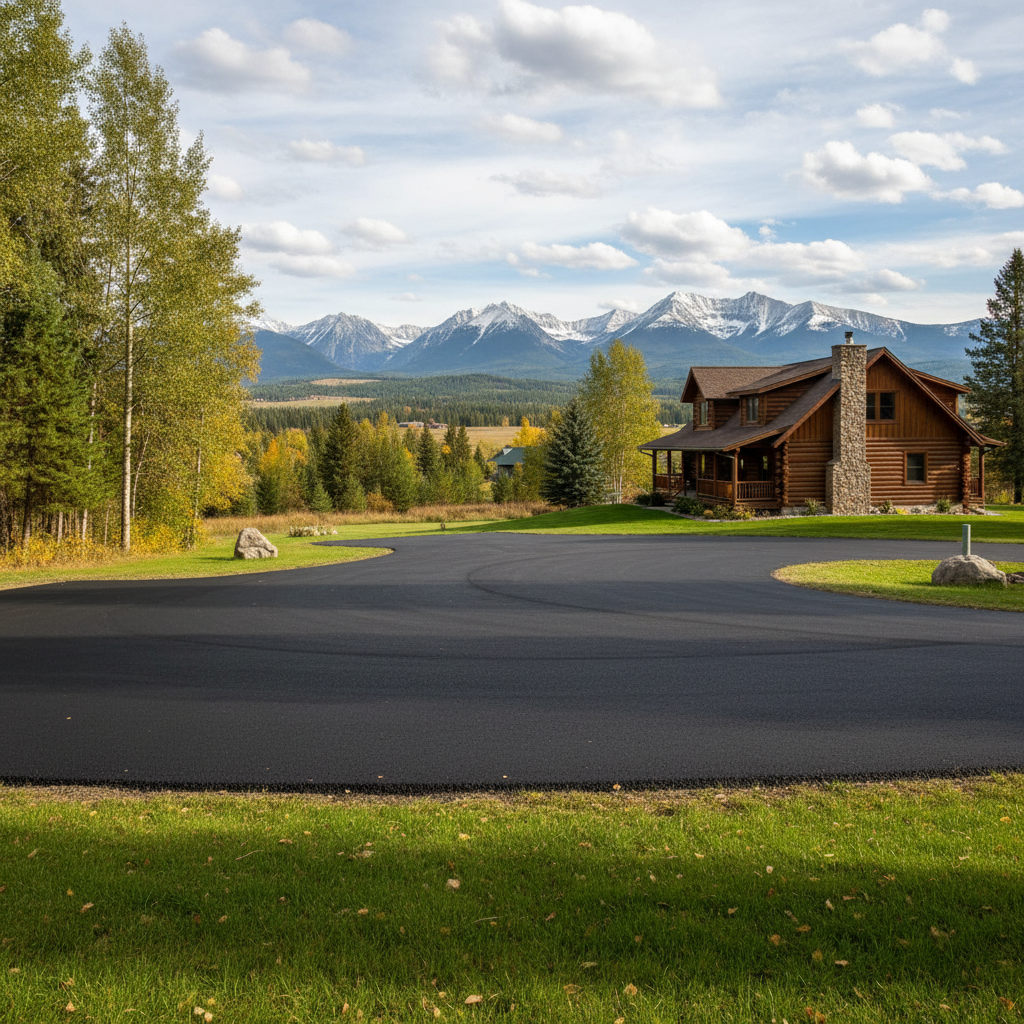
So, you've got an asphalt parking lot at your place, right? Maybe it's a big one for your RVs and all your toys, or just a decent-sized area for family and friends. You're probably wondering when's the best time to get it paved, or how to keep it looking good with our wild Montana weather. I totally get it. I've been doing this long enough around Kalispell to know exactly what works and what absolutely doesn't.
Getting Your Paving Project Timed Just Right
When it comes to laying down new asphalt, timing is, well, pretty much everything. You can't just pave any old day here in Kalispell. We really need the right conditions. The biggest thing? Temperature. Asphalt needs to go down when both the air and the ground are consistently above 50 degrees Fahrenheit. For us, that usually means late spring, all through summer, and then into early fall.
Why 50 degrees? Here's the deal: the asphalt mix itself is super hot when it leaves the plant, sometimes over 300 degrees. But if the ground's too cold, it cools off way too fast. That means it won't compact properly, and you'll end up with a weaker surface. One that's going to crack and crumble way sooner than it should. Think of it like trying to spread cold butter – it just doesn't work as well, does it? So, for us, that means we're aiming for May through September, maybe even early October if we get one of those nice, long falls. Trying to squeeze in a job in April or November is usually just asking for trouble, unless we get an unusually warm stretch. Even then, you're really pushing it.
Weather Woes: What Really Affects Asphalt Work
Beyond just the temperature, other weather conditions play a huge role. Rain, for example, is a big no-go. You simply can't pave on wet ground. The water gets trapped underneath, leading to all sorts of headaches down the line, like potholes and an unstable base. We're always watching the forecast like hawks, believe me. A little sprinkle might be okay if it's just finishing up, but a steady rain? Nope. We'll reschedule, no question.
Wind can also be an issue, especially for smaller jobs or if we're doing any kind of sealing. High winds can cool the asphalt too quickly, or they can blow debris right into fresh sealant. It's not as critical as rain or temperature, but it's definitely something we think about. And then there's the ground itself. If your property has a lot of clay soil, like some of those areas closer to Flathead Lake, we might need to do some extra prep work. That's to make sure there's proper drainage before we even think about laying asphalt. Managing that moisture is absolutely crucial for how long your pavement lasts.
Keeping Your Investment Safe Year-Round
Alright, so you've got your beautiful new parking lot. Now, how do you keep it that way through our Montana winters and those hot summers? It's not just about getting it paved right; it's about smart maintenance, plain and simple.
- Sealcoating: This is your first line of defense. Think of it like sunscreen for your asphalt. It protects against UV rays, which can dry out the asphalt and make it brittle, and it helps repel water and chemicals. For a residential parking lot, I usually tell folks to sealcoat every 2-3 years. It really does extend the life of your pavement, trust me.
- Crack Sealing: As soon as you see a crack, get it filled. Seriously. Don't wait. Those little cracks are like open doors for water to get underneath your asphalt. When that water freezes and thaws (which it does plenty of times here in Kalispell), it expands and contracts. That turns a small crack into a big pothole in no time flat.
- Drainage: Make sure water is flowing *off* your parking lot, not pooling on it. If you've got standing water, especially after a rain or snowmelt, that's a problem. It softens the base and leads to early failure. Sometimes it's as simple as clearing a drain; other times, it might mean adding a small swale or adjusting a low spot.
- Snow Removal: Be careful with plows. If you're plowing your own lot, try to keep the blade slightly above the surface. That avoids scraping and gouging the asphalt. And please, try not to pile huge snowdrifts on the edges of your lot for weeks on end. That constant moisture and weight isn't good for the edges at all.
- Spills: Oil, gas, and other chemicals can break down asphalt. Clean up spills quickly. A little kitty litter or absorbent material can do the trick for small ones, you know.
Look, your asphalt parking lot is an investment. It adds value and functionality to your home. Taking these seasonal steps, from scheduling your paving at the right time to doing a little regular maintenance, makes a huge difference. If you've got questions or need a hand with any of this, you know who to call. We're Coastal Asphalt Solutions, and we're always happy to help our neighbors here in Kalispell keep their asphalt in top shape.