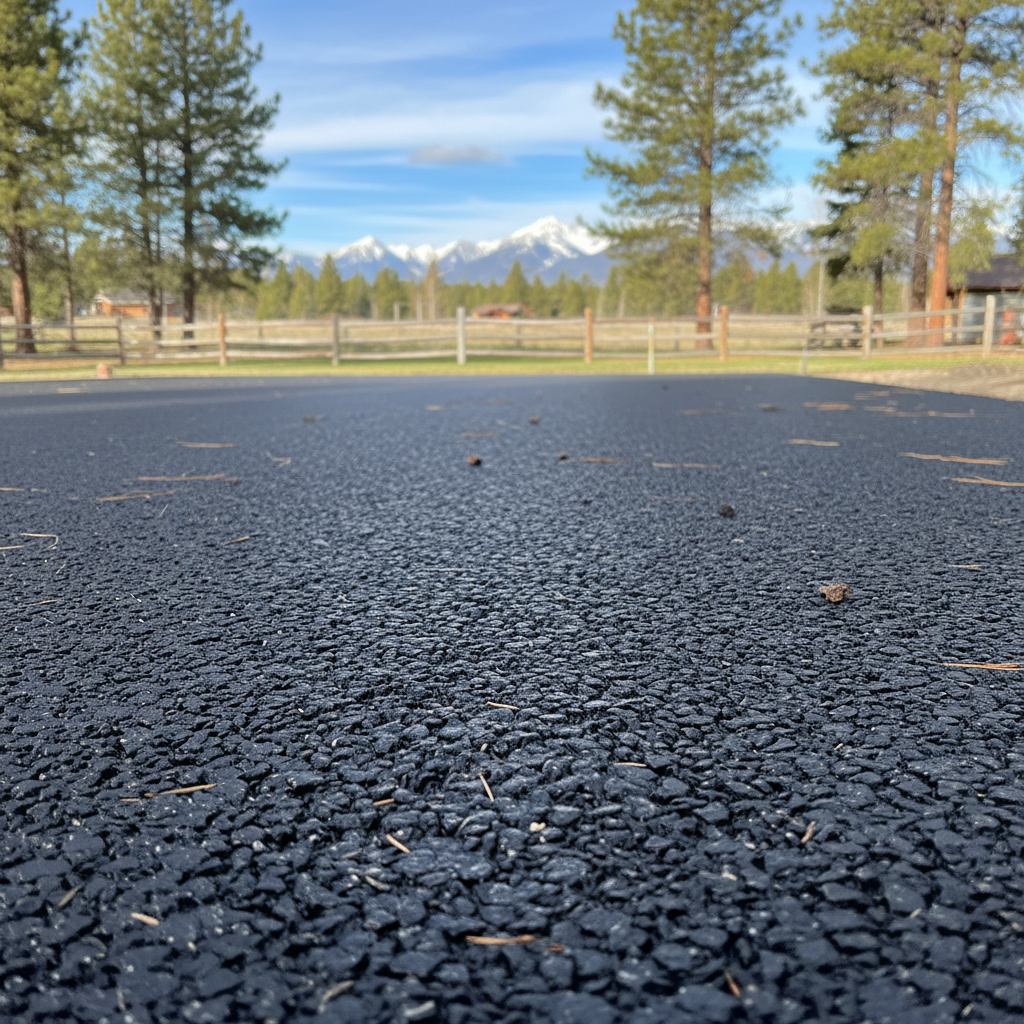
You're probably wondering why I'm even talking about commercial asphalt for homeowners. Well, sometimes folks with bigger properties – maybe a really long private drive, or even a home-based business – start looking for options beyond a standard residential driveway. They need something tougher, something that’ll stand up to more traffic, heavier vehicles, or just last a good long while. And that's exactly where commercial-grade asphalt comes into play.
Before the Shovel Hits the Dirt: Planning Your Project
Alright, so you're thinking about a beefed-up asphalt surface for your place. First things first, let's get real about what you're actually trying to achieve. Is it a long, winding driveway that sees delivery trucks every day? A parking area for your home business? Or maybe you just want the absolute toughest surface money can buy for your personal vehicles, because, why not?
You'll definitely need to think about the sub-base. This is probably the most critical part of any paving job, whether it's for a business or a home. If your sub-base isn't solid, doesn't drain right, or isn't compacted properly, your new asphalt is going to fail. Plain and simple. Here in Kalispell, with our freeze-thaw cycles and sometimes heavy clay soils, proper drainage and a really strong sub-base aren't just good ideas, they're non-negotiable. You can't just pour asphalt over a muddy mess and expect it to last, can you? This isn't really a DIY job for most homeowners. Digging out, laying down, and compacting several layers of aggregate to commercial standards? That's heavy equipment work, and it takes experience to get it right.
Another thing to consider is drainage. Where's the water going to go? You really don't want puddles sitting on your new surface, especially not in winter when they'll freeze and expand, cracking your asphalt. A good contractor will plan for proper slopes and maybe even some drainage systems. You don't want to guess at this stuff.
During the Paving: What to Watch For
Once you've decided to go with a commercial-grade surface and you've got a plan, the actual paving process starts. This is definitely not a DIY project, by the way. You're talking about specialized equipment – pavers, rollers, dump trucks full of hot asphalt. It's dangerous work, and it requires a trained crew.
What you can do, though, is be an informed homeowner. Ask questions. How thick will the asphalt layer be? For a commercial application, you're looking at more than the standard 2-3 inches for a residential driveway. We're often talking 4-6 inches, sometimes even more, depending on the expected load. What kind of asphalt mix are they using? Commercial mixes are designed for durability and heavy loads, not just pretty blacktop.
Make sure the ground is properly prepared and dry before they start. If it's too wet, the asphalt won't bond right, and you'll have problems down the road. Watch the compaction. The asphalt needs to be rolled properly and at the right temperature to achieve maximum density and strength. If it's not compacted enough, it'll be soft and prone to rutting. If it's too cold, it won't compact correctly either. A good crew, like the folks at Coastal Asphalt Solutions, knows these details inside and out.
After the Project: Keeping It Looking Good
So, you've got your new, super-tough asphalt surface. Now what? You've invested good money, so you want it to last. The good news is, commercial-grade asphalt, when installed right, is incredibly durable. But it still needs some love.
- Curing Time: Don't drive on it right away! Hot asphalt needs time to cure and harden. Your contractor should give you a specific timeframe, but generally, you'll want to stay off it for at least 24-48 hours, and avoid heavy vehicles for a week or more.
- Sealcoating: This is your first line of defense against the elements. Sealcoating protects the asphalt from UV rays, water, and chemicals like oil and gas. For a commercial application, you'll want to sealcoat within the first year, and then every 2-3 years after that, depending on traffic and wear. You can rent a sprayer and do small areas yourself if you're careful, but for a large commercial-grade surface, it's usually best to hire a pro. They've got the right equipment for an even, durable coat.
- Crack Sealing: Even the toughest asphalt will eventually develop cracks. It's just part of life. Small cracks (less than a quarter-inch wide) should be filled promptly. This stops water from getting underneath the asphalt and eroding your sub-base, which is a major cause of bigger problems like potholes. You can buy crack filler at most hardware stores and do this yourself. It's a pretty straightforward process: clean the crack, apply the filler, and let it cure.
- Pothole Repair: If you do get potholes, don't let them sit. They'll only get bigger. For small potholes, you can buy cold patch asphalt and tamp it down yourself. For larger, deeper potholes, especially on a commercial-grade surface, it's often best to call in a professional. They can cut out the damaged area, prepare the base, and lay down hot asphalt for a more permanent repair.
- Cleaning: Keep the surface clean. Sweep off debris, leaves, and dirt regularly. This prevents organic matter from breaking down on the surface and helps prevent weeds from growing through cracks.
Using commercial asphalt for your home property is a smart move if you need that extra durability. Just remember, the upfront planning and professional installation are key. After that, a little regular maintenance from you, and calling in the pros for the bigger jobs, will keep your investment solid for decades.